Claude Is the Antivirus Now. The Virus Was Also Claude.
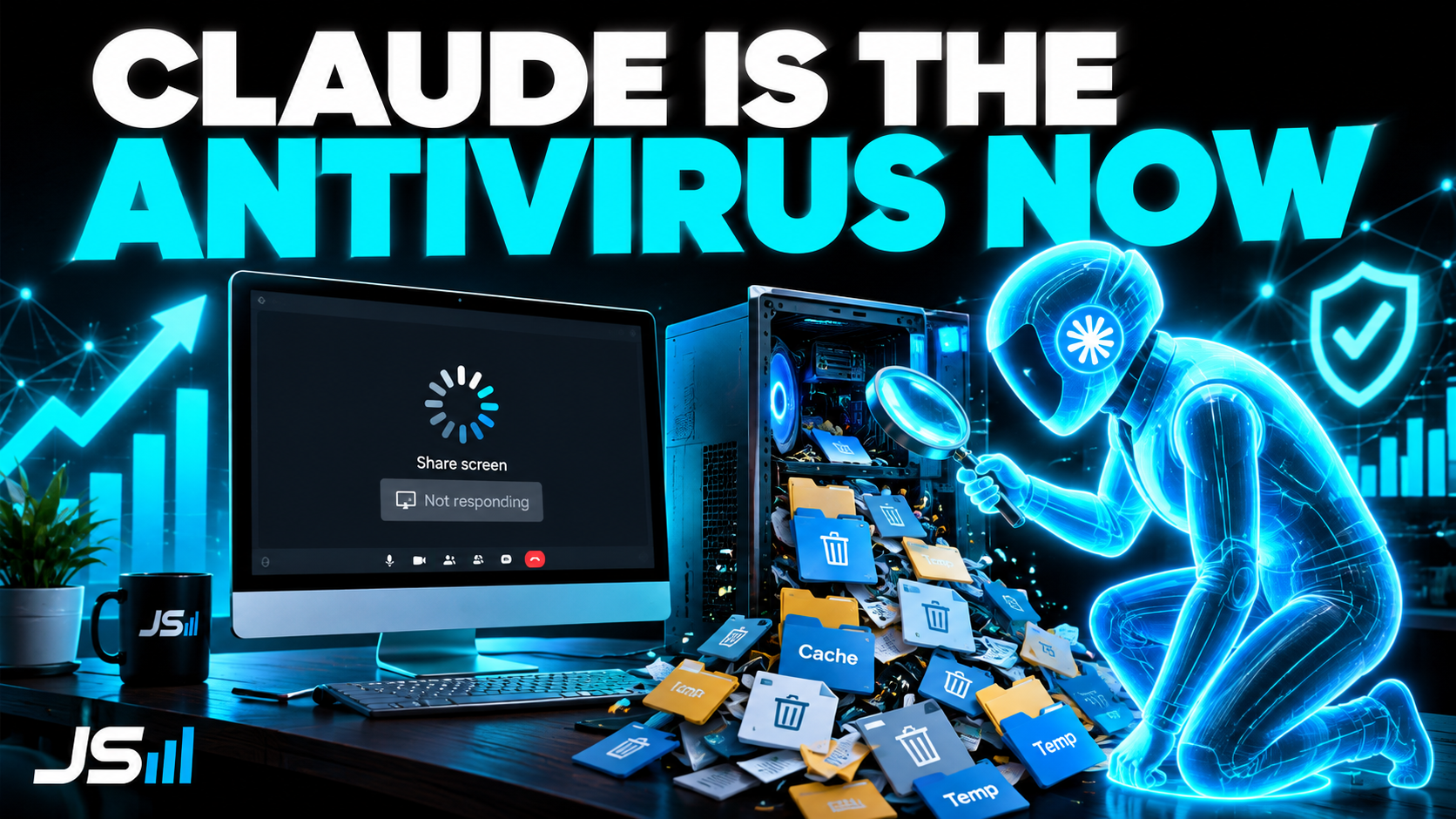
I was forty minutes into a webinar about AI in business when my computer decided to make a point. The machine crawled. Screen share died. I'm standing there telling a room full of business owners that AI is going to run their operations, and I can't get a browser tab to render.
Great look. Really sold the vision.
After the call I did what I'd tell any of them to do. I opened Claude and typed, more or less, "this machine has been slow for weeks, figure out why."
What it actually did
It didn't hand me a listicle of ten tips to speed up your Mac. It looked at the machine. Pulled the hardware specs, checked memory, walked the disk. And it found the problem, which was me. Or more accurately, it.

Months of AI generated work had left a trail: temp build artifacts, caches, half finished outputs from a few hundred sessions. Gigabytes of junk that nobody cleaned up because nobody typed it. The thing slowing down my computer was the exhaust from the thing I was on stage selling.
So it cleaned it up. Suggested a few settings changes. And then it said the part that actually mattered: stop running heavy compile and type check jobs in parallel. RAM spikes when three of those fire at once, and that spike is what was freezing the machine. Queue them instead.
That last one is not a forum tip. That's a diagnosis. It looked at what my workflow does, found where the resource contention was, and changed how the work gets scheduled. That is what a good IT person does, and I've paid good IT people who did less.
Antivirus was always the wrong word
Antivirus software checks files against a list of known bad things. It's a bouncer with a photo book. It has no idea what you're doing with the computer, so it can't tell you the real reason it's slow is that you've got four TypeScript projects building at once.

What I got instead was something that understands the system and the work. It can read the specs, read the logs, read the code, and connect them. It doesn't just protect the machine, it organizes it. That's a different category of tool and I don't think we have a word for it yet, so "antivirus" will do until someone sells me a better one.
This is the part people get wrong
Every week somebody wants to argue about superintelligence. Is it next year, is it never, will it take every job. I'm not interested. Not because it doesn't matter, but because it's the wrong timescale to run a business on.
The thing that matters for you is this: the practical ability of these tools is improving on a scale of months. Not decades. Not "someday." Months. A year ago, asking a chatbot to fix my computer got me a paragraph of advice. Now it reads the hardware and reschedules my build pipeline. Whatever it can't do for you today, check again in a quarter.
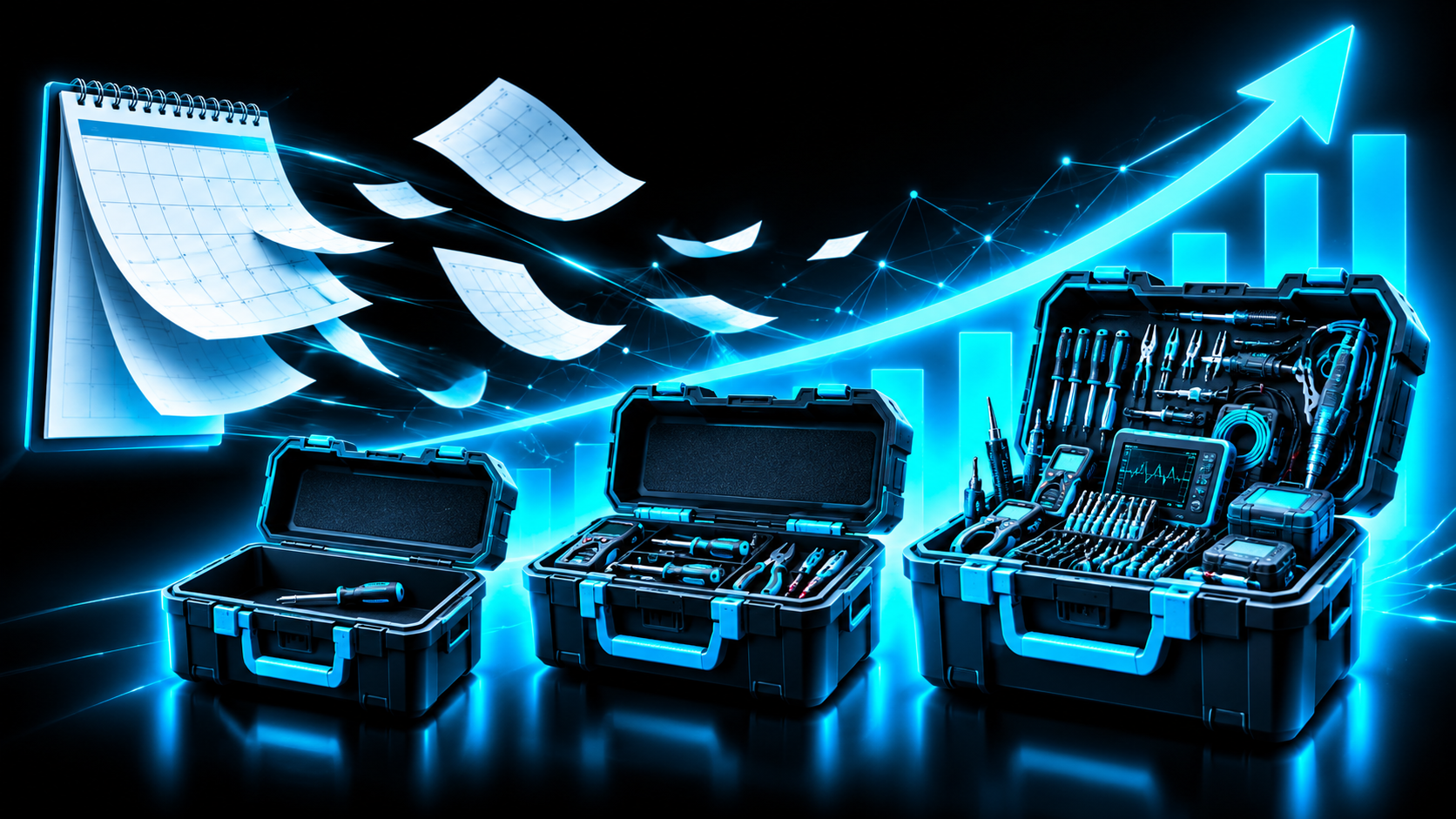
That's not hype. That's a co-pilot taking real actions on real systems, and the gap between what it can do and what you've actually asked it to do is probably the biggest free lunch sitting in your business right now.
The cautions, because I'm not an idiot
A tool that can touch your system can also break your system. A few rules I actually follow:
- Verify its work. It told me what it was going to delete before it deleted it, and I read the list. You should too. "Trust but verify" is a cliche because it's correct.
- Protect the machine. Least privilege applies to your AI the same way it applies to a new hire. It does not need root to clean a cache folder.
- Do not expose your devices to the internet. I run a Mac mini in my office that does real work for my company. It is not reachable from outside. If you put an AI agent on a box and then open that box to the world, you've built a very smart front door with no lock on it.
Where this is going
A year ago, running an open agent framework like OpenClaw on your own hardware was a hobby project. Fun, fragile, not something I'd point a client at. That's changing fast. The models got good enough, the tooling got stable enough, and the economics started to make sense. Tools like that are becoming viable, not just interesting, and I'd expect "run your own agent on your own box" to be normal within a year.
So yes. Claude is my antivirus now. It's also my IT guy, my build scheduler, and the thing that was clogging my hard drive in the first place. We've worked it out.
Screen share is fine now, by the way. Next webinar, I'm blaming the wifi.